
What Ingredients are Inside Our Products?
We Choose Our Ingredients Carefully
Most skincare brands approach formulation from a performance-first perspective: find ingredients that produce the desired texture, scent, appearance, and shelf life, then check them against a basic safety list. Because U.S. regulations ban only 11 cosmetic ingredients (compared to almost 1,600 banned by the European Union), this approach permits the inclusion of hundreds of documented allergens and irritants.
We Stay True to Our Core Principles
Untoxicated was founded on the opposite principle: eliminate everything that is known to cause reactions, then build the most effective possible formula from what remains.
We Go a Step Further
Additionally, Untoxicated formulas comply with the 1,584 cosmetic ingredients restricted or banned by the European Union and the 100+ chemicals on California's Proposition 65 list. All of which significantly exceed current federal U.S. requirements.
Every Ingredient. Explained.
We use 14 ingredients or fewer in every formula. Here is exactly what each one is, why it's there, and where to find it.
A naturally occurring compound found in healthy skin that acts as a humectant, drawing water from the environment and deeper skin layers up to the surface.
Glycerin is one of the most extensively studied and safest moisturizing ingredients in skincare. It boosts hydration, supports a healthy skin barrier, and is free from the common irritants that trigger sensitivity.
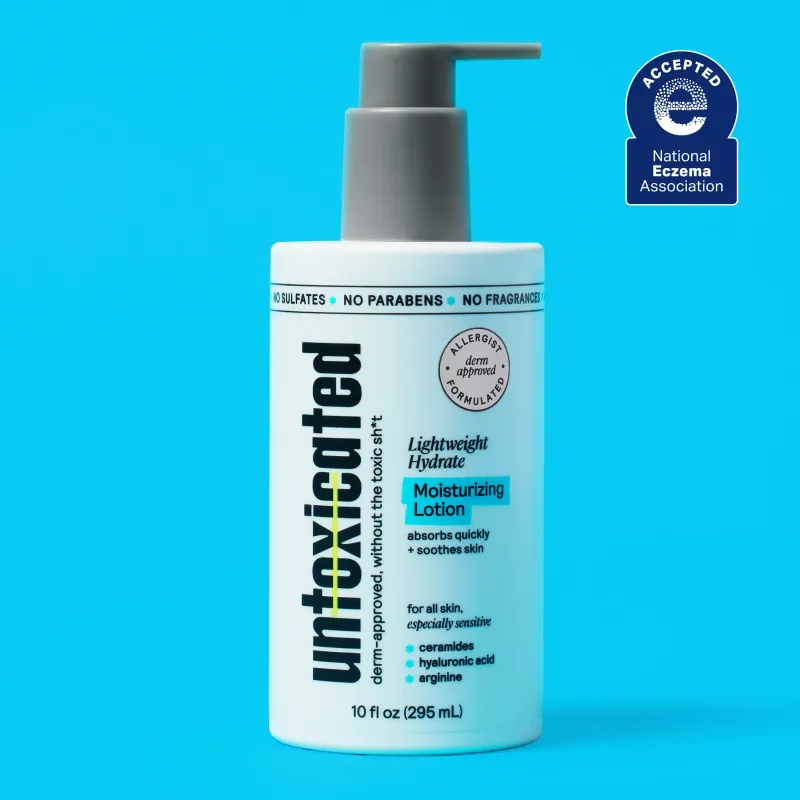
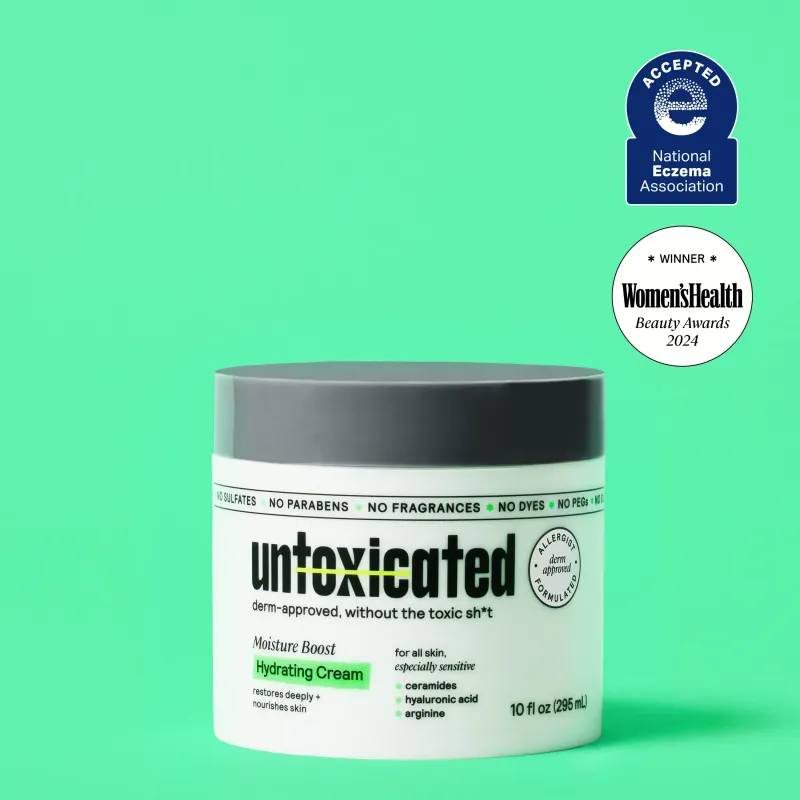
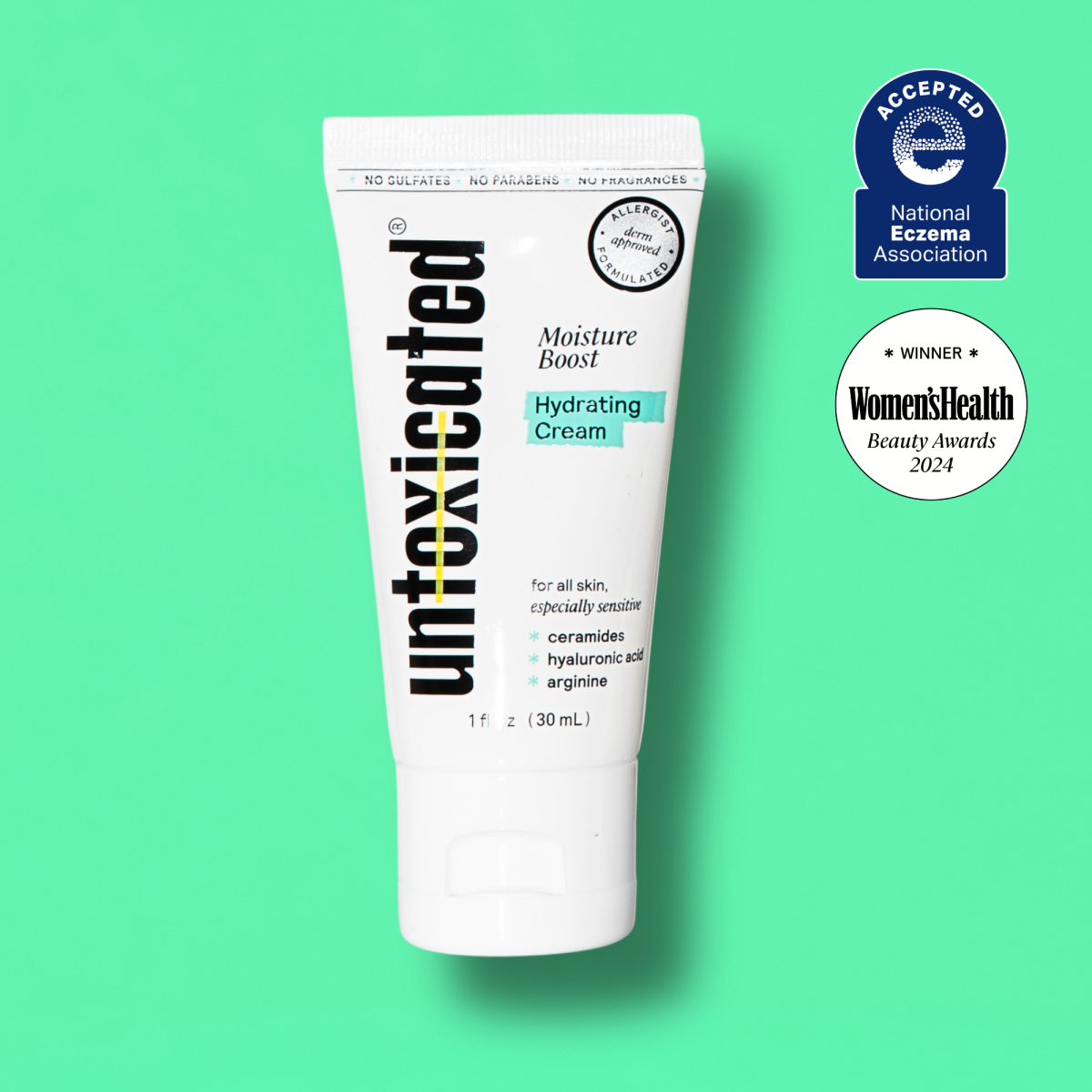
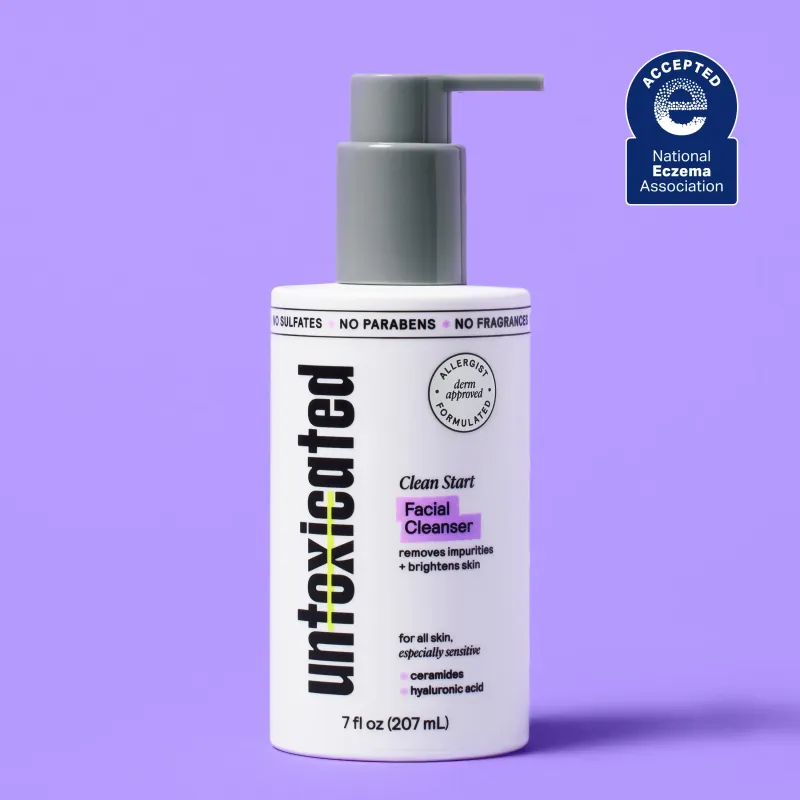
The salt form of hyaluronic acid. Because sodium hyaluronate has a smaller molecular weight than hyaluronic acid itself, it penetrates the skin more easily and is more bioavailable, meaning your skin actually absorbs it.
It is one of the most effective humectants known, capable of holding up to 1,000 times its weight in water. We use the salt form specifically because it delivers deeper, more reliable hydration without the risk of surface-level irritation.
A silicone-based polymer derived from oxygen and silica, a naturally occurring mineral. It forms a breathable, protective layer on the skin's surface.
Dimethicone significantly reduces transepidermal water loss (TEWL), helping skin stay hydrated for longer without clogging pores or blocking airflow. It is one of the most well-tolerated cosmetic ingredients and is frequently recommended for eczema-prone and sensitive skin.
A highly purified, semi-solid mixture of hydrocarbons derived from petroleum. When cosmetic-grade, it is one of the most occlusive and effective skin-barrier ingredients available.
Petrolatum creates a physical seal on the skin that locks in moisture and shields the barrier from environmental irritants. It is hypoallergenic, non-comedogenic at the concentrations we use, and has a decades-long clinical track record in dermatology including in the treatment of eczema and contact dermatitis.
Three skin-identical ceramides that naturally occur in healthy skin, each playing a distinct role in holding the barrier together and preventing moisture loss.
No single ceramide restores the barrier alone. This trio works as a system, mirroring the ceramide complex found in naturally healthy skin to replenish what aging, harsh cleansers, and environmental exposure deplete. Ceramide EOP in particular is one of the hardest for skin to replenish on its own, making topical application especially valuable for reactive or compromised skin.
An emulsifier derived from olive oil and cetearyl alcohol, used to blend water and oil phases in a formula.
Cetearyl olivate is one of the most skin-compatible emulsifiers available. It is clinically recognized as gentle and non-irritating, particularly suited to formulas designed for sensitive skin. It works in tandem with Sorbitan Olivate to create our stable, comfortable textures.
An emulsifier derived from olive oil and sorbitol (a naturally occurring sugar), used to stabilize and bind the oil and water phases in a formula.
Sorbitan olivate pairs with cetearyl olivate to create what is known as an olivem emulsifying system, a plant-derived approach that produces formulas with a skin-similar lipid structure, aiding absorption and tolerability. Both are free from glucosides and other common sensitizers.
Natural lipid compounds found in plant cell membranes that act as conditioning agents on skin.
Glycolipids function similarly to ceramides, helping to increase the skin's moisture content and reinforce the lipid barrier. They are gentle, well-researched, and add a layer of conditioning benefit to our moisturizing formulas without introducing sensitizing agents.
An essential amino acid, one of the building blocks of protein, that also functions as an antioxidant and skin repair agent.
Arginine neutralizes free radicals that damage skin cells, supports the skin's natural repair processes, and helps maintain a balanced skin pH. It is naturally present in healthy skin and is well tolerated even by sensitive skin types.
A mild surfactant and cleanser derived from coconut oil and glutamic acid (an amino acid). It gently lifts dirt, oil, and impurities from the skin.
Unlike harsh sulfate-based surfactants, cocoyl glutamate is exceptionally gentle and skin-compatible. It cleanses without stripping the skin's natural moisture, making it ideal for daily use on sensitive, reactive, or eczema-prone skin. It is free from cocamidopropyl betaine and other common sensitizing surfactants.
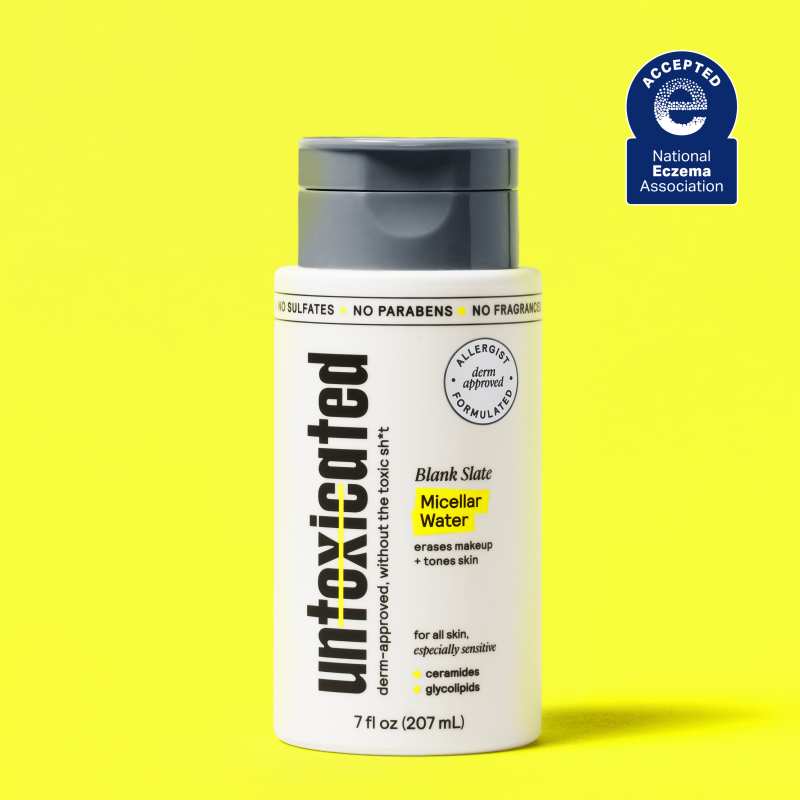
A synthetic polymer used in small quantities to thicken and stabilize formulas, and to improve the skin absorption of active ingredients.
Carbomer allows us to achieve the right consistency without using heavy waxes or oils that could clog pores or trigger reactions. It has a well-established safety profile and is used at concentrations well below any sensitization threshold.
A food-grade, naturally derived polysaccharide produced through fermentation, used as a thickening and stabilizing agent.
Xanthan gum helps keep our formulas uniform and shelf-stable over time, preventing ingredient separation without the use of synthetic stabilizers. It is widely recognized as safe, even in oral applications, making it one of the most benign stabilizers available.
A broad-spectrum preservative used in cosmetics to prevent the growth of bacteria, yeast, and mold throughout a product's shelf life.
Preservatives are a necessary safety component in any water-based skincare product. Phenoxyethanol is one of the most widely accepted preservatives for sensitive formulations because it is free from the allergens associated with formaldehyde-releasing agents, isothiazolinones (MI/MCI), and parabens, all of which Untoxicated explicitly bans.
A naturally occurring organic acid found in citrus fruits. In skincare, it is used in small amounts to adjust and maintain the pH of a formula.
A formula's pH level directly affects how well it performs and how safe it is for skin. Citric acid allows us to fine-tune our formulas to a pH optimal for skin health. At the concentrations we use, it functions purely as a pH adjuster (not as an exfoliant) and also offers mild antioxidant benefits.

Clinically Vetted & Dermatologist Approved
Safe For All Ages & Skin Types, Especially Sensitive
Non-Allergenic & Non-Comedogenic
Vegan, Cruelty Free & Proudly USA Made
Our Skincare Products for Sensitive Skin
Explore Untoxicated’s gentle skincare made without common irritants. These formulas help soothe, hydrate, and protect sensitive skin while supporting a healthy skin barrier.
Got questions?
What we leave out is just as important as what we put in.
Our formulas are free from 128+ of the most common contact allergens, 1,584 ingredients restricted by the European Union, and 100+ chemicals banned under California's Proposition 65. The result: skincare that is genuinely safe, and not just marketed that way.